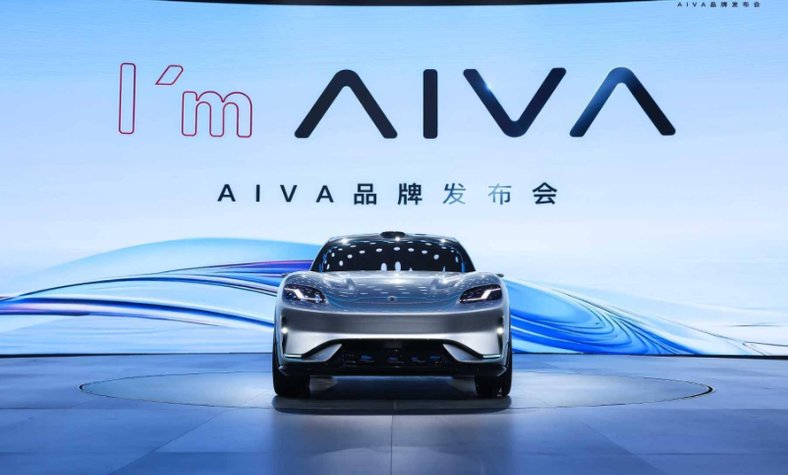
Brats and sisters, Seres has made another move!
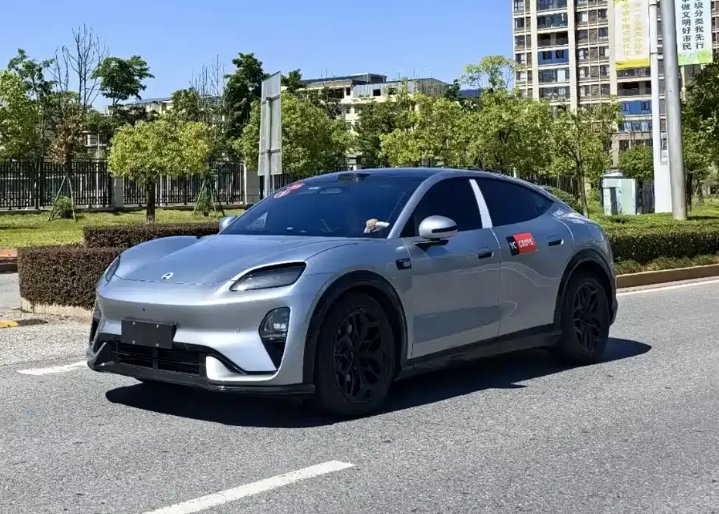
Recently, the AIVA ME7 made its real-vehicle debut. The car is nearly 5 meters long, with a wheelbase of over 3 meters, pure electric power, and is also preparing to work with Volcano Engine on an AI car experience.
To be honest, this combination does have some appeal, but for a new brand to gain a foothold in the market above 200,000 yuan, it's not enough just to build a pretty car.
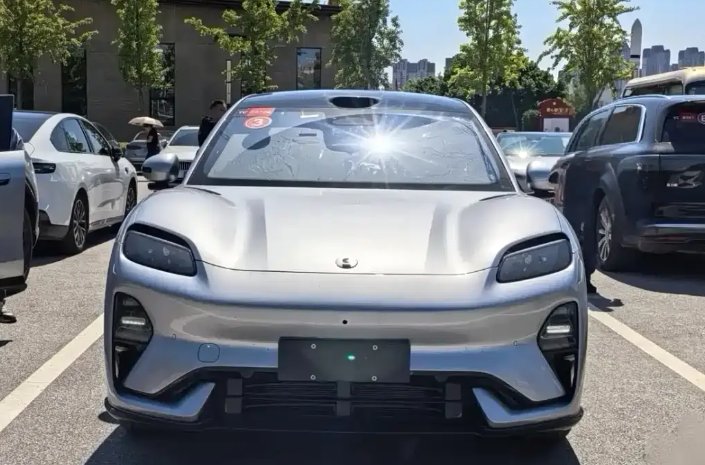
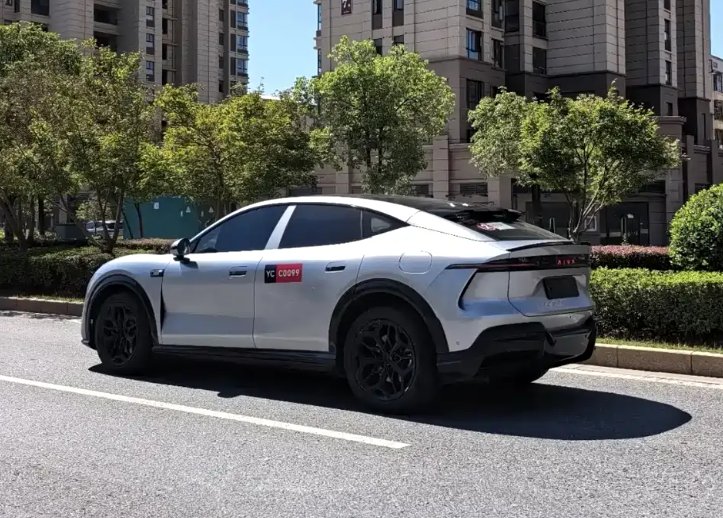
First, the exterior. This car follows a coupe SUV route, the front face is quite aggressive, there are guide channels on the hood, and a lidar is also arranged on the roof.
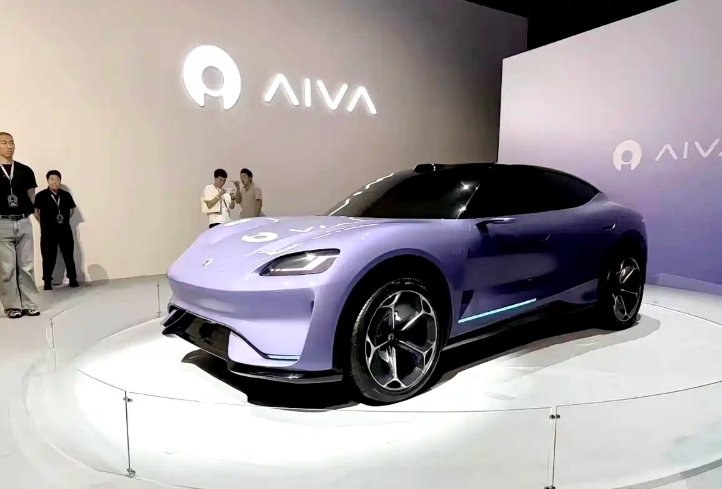
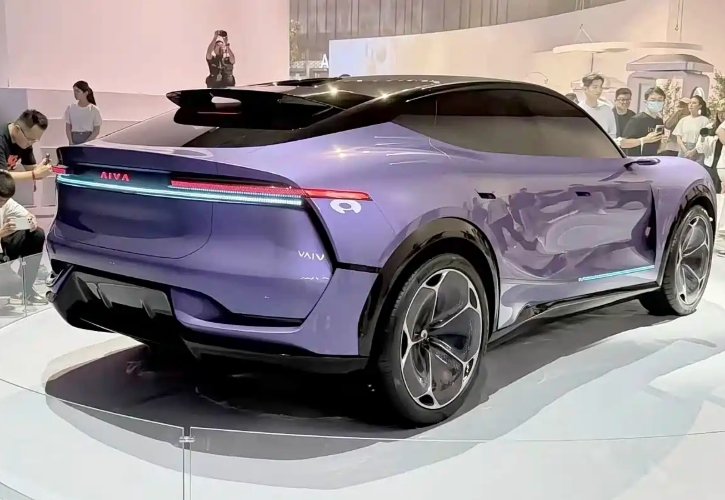
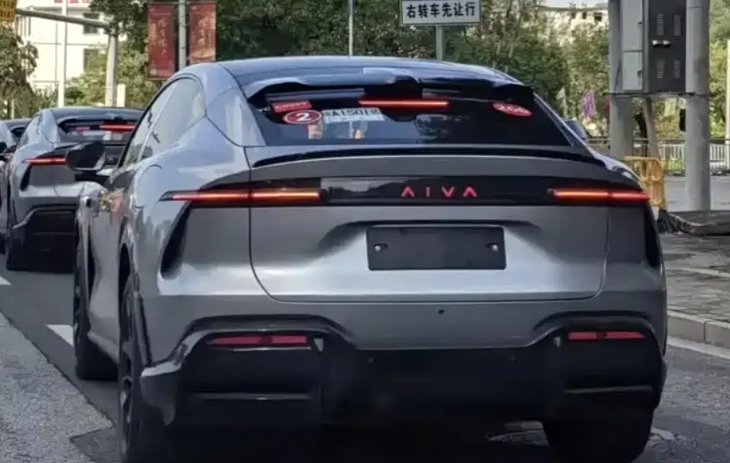
The large rear spoiler and small ducktail at the rear also work hard to emphasize a sporty feel.
In my opinion, this design is indeed likely to attract young consumers, but there is also a problem: a coupe SUV can't focus only on looking cool; rear headroom and ease of getting in and out are equally important.
You can't have buyers feeling like they're driving a sports car while their family members feel like they're suffering when they get in, right?
In terms of dimensions, the AIVA ME7 is 4999mm long, 1999mm wide, 1626mm or 1616mm high, with a wheelbase of 3050mm, and it also offers 20-inch and 21-inch wheels.
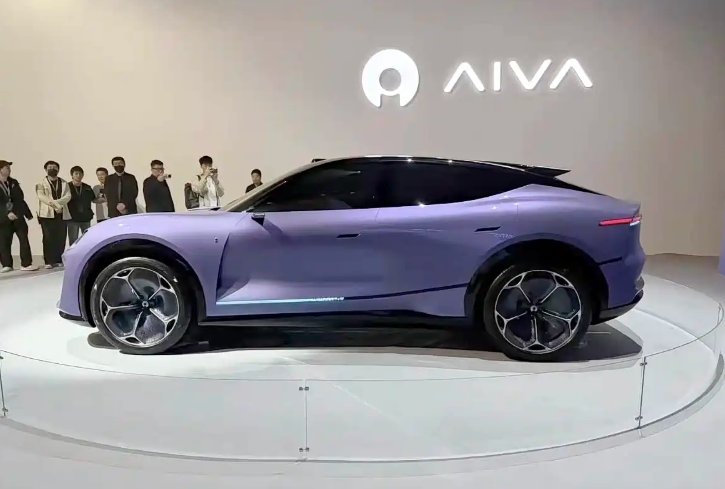
This size is no longer small.
However, a width close to two meters plus large wheels will certainly create a more imposing visual effect, but parking, passing on narrow roads, and tire replacement costs are also things owners will have to face later.
It would be best if the manufacturer could tune comfort and sportiness well, so consumers don't see only good looks and feel no practicality.
In terms of power, according to previous filing information, the ME7 offers single-motor and dual-motor versions.
The single motor has a maximum power of 270kW, while the dual-motor versions have maximum front and rear power of 150kW and 270kW respectively, and are equipped with a ternary lithium battery pack.
Judging by power alone, it is indeed not weak.
But everyone, when buying a pure electric car, you can't look only at horsepower; range, charging speed, high-speed energy consumption, and chassis performance are the key factors in daily use.
The above information has not yet been fully published, and specific performance remains to be verified, so don't rush to crown it a performance beast.
What is more worth paying attention to about this car is actually its intelligentization route.
Previously, AIVA announced cooperation with Volcano Engine, with the latter providing technical services such as the Doubao large model and smart cockpit.
In terms of assisted driving, existing information also mentions the cooperation direction with Yuanrong Qixing rather than the Huawei Qiankun route.
This is interesting. Many automakers are now talking about intelligentization, as if they'd be embarrassed to hold a launch event without a large model installed in the car.
But personally, I believe the real value of AI is not chatting with you in the car, but whether it can make daily operations such as navigation, air conditioning, and music more convenient.
You say one sentence and it understands accurately, reducing the need for the driver to repeat commands—that is what makes it useful.
As for lidar, it does not necessarily mean intelligent driving is strong. Whether the system is good to use depends on actual road performance, takeover logic, and safety boundaries.
Hardware can be used for promotion, but real reputation still has to be earned by owners on the road.
So, what competitors will the AIVA ME7 face in the future?
Personally, I think the Tesla Model Y, Zeekr 7X, Xiaomi YU7, and Avatr 07 may all enter consumers' comparison lists.
Their positioning and power forms are not exactly the same, but there is some user overlap in terms of budget, intelligentization, and design preferences.
The Model Y has mature market recognition, the Xiaomi YU7 has high topicality, the Zeekr 7X can be compared in terms of space and driving experience, and the Avatr 07 allows consumers to compare different design and intelligentization routes.
By comparison, the ME7's current selling points are its body close to 5 meters, a 3050mm wheelbase, single-motor and dual-motor options, and an AI cockpit route involving Volcano Engine.
However, selling points are one thing, and whether users buy into them is another.
The brand's plan for its full lineup to cover the mainstream market above 200,000 yuan does not mean the ME7's final price has been determined.
If the price is set too high, consumers will likely turn directly to models with more mature market recognition.
There is also another controversial point: is not taking the Huawei Qiankun route an advantage or a disadvantage?
Personally, I think one cannot simply say which route is better. Diversified cooperation can give automakers more choices and also opportunities to form their own product characteristics.
But switching to another technical solution means it must prove it is competitive in experience, stability, and cost.
One cannot assume a product is bad just because it did not choose a certain well-known solution, nor assume intelligentization is leading just because it uses a large model.
For AIVA, the real challenge is to make consumers remember itself, not just the partners behind it.
The AIVA ME7 currently has a decent foundation on paper, but whether it can gain a firm foothold in the highly competitive market above 200,000 yuan still depends on final pricing and the real-car experience.
To be honest, it is worth looking forward to now, but there is no need to praise it to the skies in advance.


